

Digital Twins: The Cornerstone of the Enterprise Metaverse
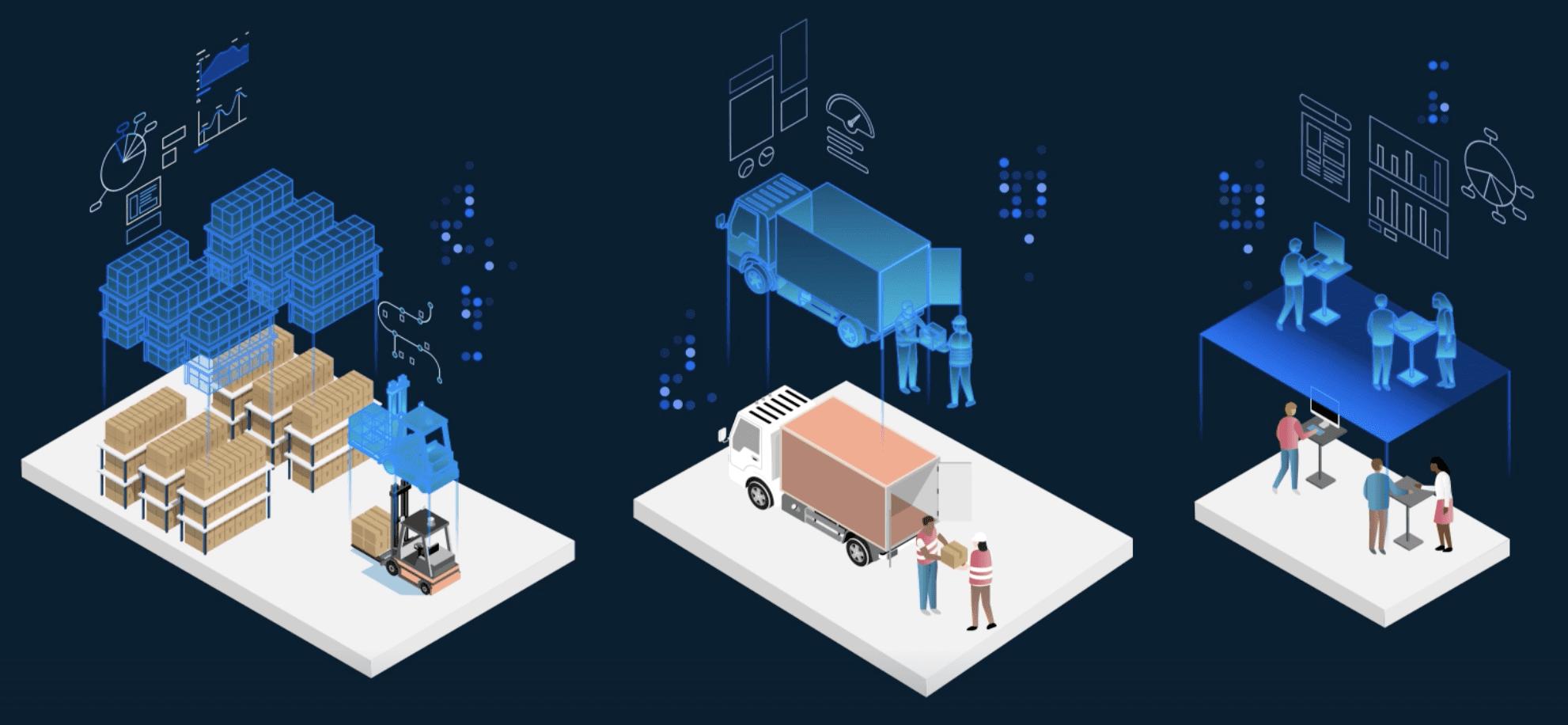
As the enterprise metaverse takes shape as a new frontier in digital transformation, one technology stands out as its essential building block: Digital Twins. Often called the "living blueprint" of physical assets, digital twins provide real-time virtual representations of products, processes, and systems — helping businesses optimize performance, reduce costs, and make sharper decisions.
What Is the Enterprise Metaverse?
The enterprise metaverse is the convergence of physical and digital realities within business environments. Unlike the consumer metaverse associated with gaming and virtual worlds, the enterprise version focuses on applying digital technologies to improve business operations, collaboration, and innovation.
Through the metaverse, companies can visualize complex systems, interact directly with their digital twins, and make data-driven decisions with a level of precision that was previously impossible.


How Digital Twins Have Evolved
Digital twins have traveled a long way from their origins in product lifecycle management and industrial simulation. The convergence of AI, IoT, and cloud computing has transformed them into dynamic, continuously learning data models that adapt in real time.
Today's digital twins go far beyond static representations — they are immersive, interactive environments that are becoming integral to the enterprise metaverse.
Real-Time Monitoring
Track asset performance continuously and enable predictive maintenance through AI and machine learning before failures occur.
Data-Driven Simulations
Test conditions and scenarios safely in a virtual environment — without touching physical assets or disrupting operations.
Enhanced Collaboration
Enable cross-functional teams to work together in shared virtual environments, regardless of physical location.
Sustainability
Optimize energy consumption and resource usage to measurably reduce waste and lower carbon footprints.
Real-World Industry Applications
Manufacturing was among the earliest adopters, using digital twins to create fully immersive virtual factories. Healthcare applies them to simulate treatment outcomes with precision, while construction and urban planning use them to model buildings and infrastructure before breaking ground.
Every industry finds its own way to leverage digital twins within the enterprise metaverse — each unlocking new possibilities for optimization and innovation.

Key Challenges to Navigate
- Data Integration: Achieving seamless data flow from IoT devices, sensors, and disparate enterprise systems into a unified twin model.
- Scalability: Managing complex, large-scale implementations across multiple assets, systems, and geographies simultaneously.
- Security: Protecting the integrity, confidentiality, and availability of sensitive data flowing through digital twin environments.
- Implementation: Ensuring smooth deployment, change management, and widespread adoption across business units and teams.

As the enterprise metaverse matures, digital twins will play an ever more central role in connecting the physical and digital worlds. By delivering real-time insight, enabling data-driven decisions, and bringing distributed teams together, digital twins are becoming the structural foundation upon which the next generation of enterprise technology is built.