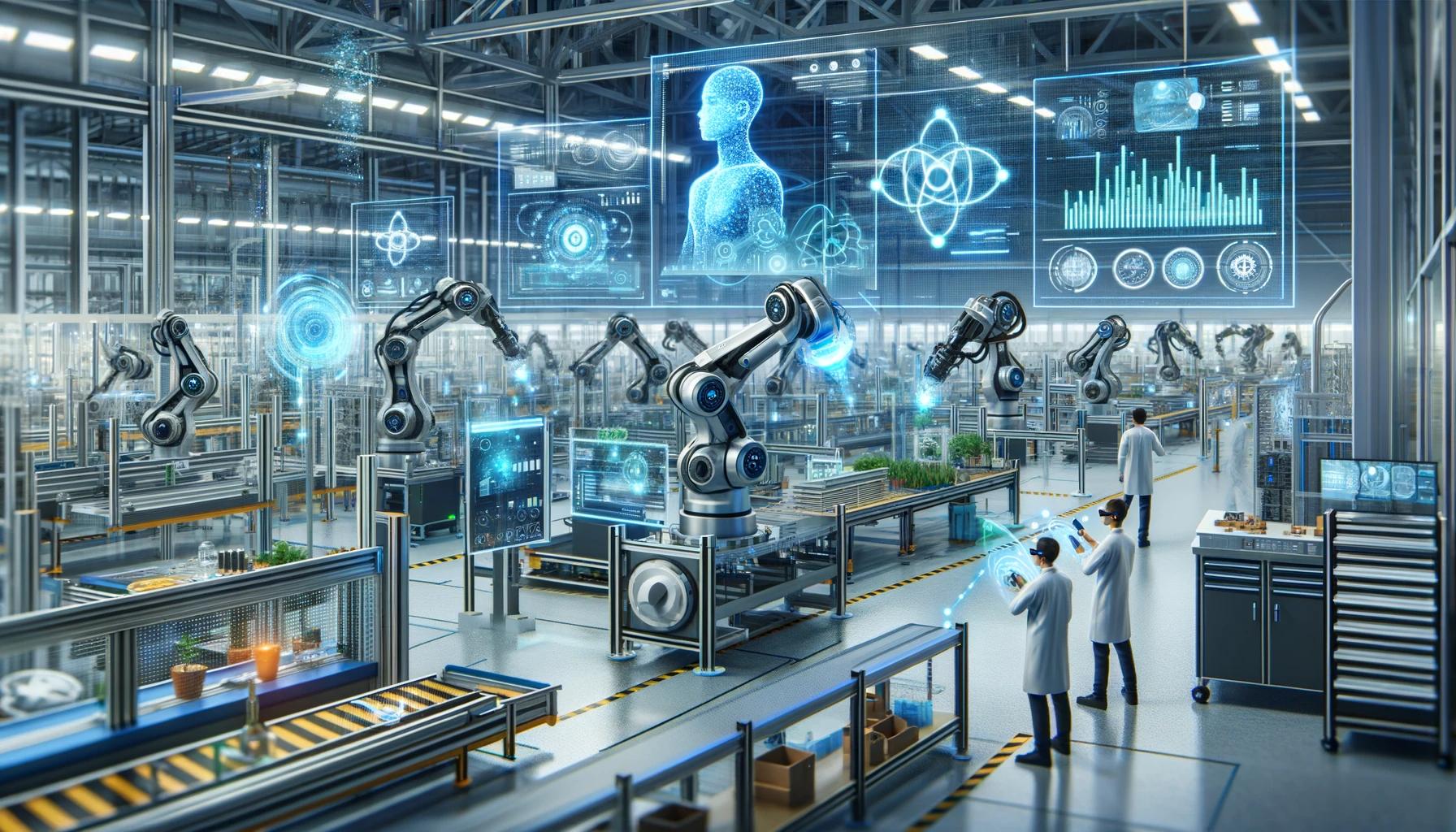
Advanced Digital Automation in the Future Factory
Educational transformation initiative in Latin America

The "Future Factory" is rapidly becoming real as advanced automation transforms modern manufacturing. AI-enabled equipment, robotics, IoT, and digital twins are enabling a new generation of smart, efficient, and adaptive facilities. This model goes beyond production volume to create fully connected, data-led environments where systems and people operate in sync.
The Role of Advanced Digital Automation

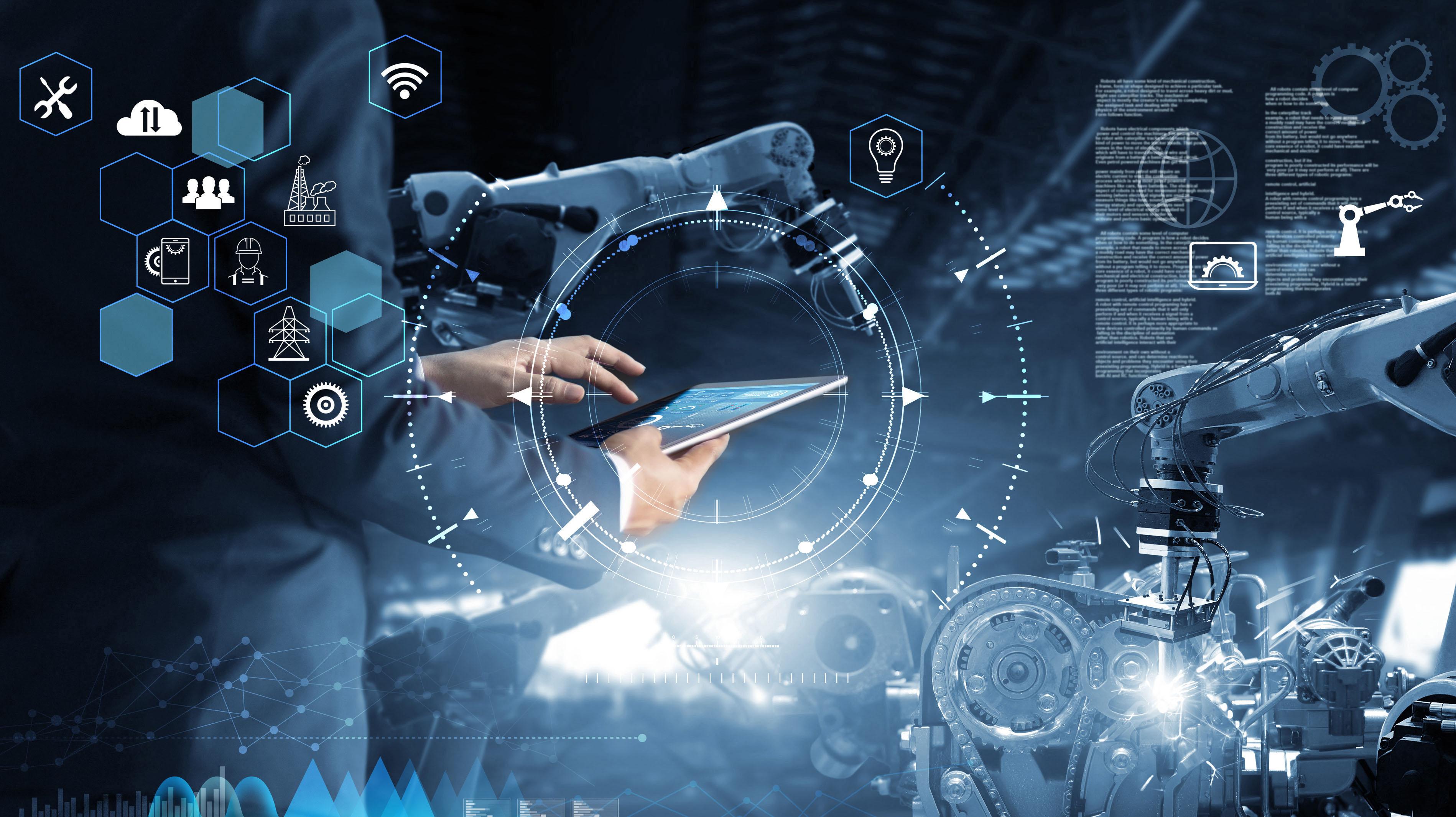
At the center of the future factory is advanced digital automation: a combination of technologies that allows operations to run with less manual intervention while improving efficiency, reducing waste, and increasing adaptability. The following capabilities are driving this shift.

AI and Machine Learning in Manufacturing :Artificial intelligence and machine learning are foundational to the future factory. They optimize workflows, improve quality control, and predict maintenance requirements. By analyzing high-volume machine and IoT data, these systems identify inefficiencies, anticipate downtime, and improve demand planning.


Robotics and Automation :Robots are evolving from fixed tools into collaborative, adaptive systems. Cobots support human teams by handling repetitive or physically intensive work, while advanced robotics execute high-precision tasks. AGVs and drones further streamline material movement and inventory flow, improving both output and safety.

Historical retail evolution

Internet of Things (IoT) :IoT connects machines, devices, and production systems for real-time communication across the entire operation. Sensors monitor equipment health, environmental conditions, and live performance data so every stage—from raw materials to finished output—can be measured and optimized.


Digital Twins and Simulation :Digital twins are virtual models of physical assets, processes, or complete facilities. They let manufacturers test scenarios such as line changes, demand shifts, and equipment configurations before making real-world adjustments, improving decision quality and reducing risk.

Benefits of Advanced Digital Automation in Future Factories

Higher Efficiency and Productivity:Automation powered by AI and robotics enables near-continuous operations with less downtime, lower error rates, and faster throughput. Real-time analytics keeps equipment running at optimal capacity, while predictive maintenance reduces unplanned outages.

Cost Reduction :Future factories use automation to reduce waste, optimize resource use, and control operating cost. AI-based quality checks catch defects earlier, reducing rework and material loss. IoT energy systems also help lower consumption by optimizing power use across production lines.


Improved Flexibility and Agility :In volatile markets, adaptability is essential. Future factories can respond faster to demand changes, customization needs, and supply disruptions. With digital twins and IoT, teams can reconfigure lines quickly, adjust equipment remotely, and update schedules based on real-time signals.

Historical retail evolution

Enhanced Sustainability :Future-factory automation is not only about speed; it also supports sustainability outcomes. By reducing waste, improving energy efficiency, and optimizing resources, digital systems help manufacturers lower environmental impact and meet sustainability targets.


Workforce Evolution :As automation takes over repetitive and hazardous work, people can focus on higher-value responsibilities such as supervising AI systems, managing process quality, and solving complex problems. Ongoing reskilling will be critical to prepare teams for these technical roles.

Challenges in Implementing the Future Factory

While the benefits of advanced automation are substantial, organizations must address several adoption challenges:

  • Integration of Legacy Systems: Many plants still depend on legacy machinery that is not directly compatible with modern digital systems. Retrofitting with IoT, AI, and automation requires disciplined planning and meaningful investment.
  • Cybersecurity Risks: Greater connectivity increases cyber exposure. Protecting sensitive data and securing connected devices demands strong security architecture and continuous monitoring.
  • Talent Gap: As automation expands, demand for AI, robotics, and data skills rises sharply. Closing this gap requires structured upskilling and reskilling across the workforce.

Core Capabilities of the Future Factory

Digital automation is reshaping manufacturing by optimizing production, improving decisions, and enabling real-time adaptability across operations.

Educational transformation initiative in Latin America

Smart, Connected Systems with Industrial Internet of Things (IIoT)

In future factories, equipment and production lines are connected through IIoT sensors, enabling real-time communication and visibility. This connected architecture allows teams to monitor operations remotely and apply predictive maintenance before issues cause downtime.

AI-Driven Automation and Decision-Making

AI and machine learning analyze production data to optimize scheduling, quality, and resource use. By combining machine, supply chain, and demand signals, AI supports faster decisions that improve productivity and reduce waste.

Digital Twins for Process Optimization

Digital twins let manufacturers simulate and optimize operations before making physical changes. Virtual models help teams test scenarios, detect inefficiencies, and forecast outcomes without interrupting active production.

Advanced Robotics and Automation

Advanced robotics improve precision, speed, and safety across production lines. AMRs and collaborative robots support logistics and repetitive tasks while human teams focus on supervision and higher-value operations.

Customizable and Flexible Manufacturing

Mass customization requires flexible production systems. Future factories are designed to switch product variants quickly, enabling personalized output without heavy retooling or quality trade-offs.

Sustainability and Energy Efficiency

Future factories prioritize sustainability with automated resource management and efficient equipment. AI and IIoT monitoring reduce energy use, water consumption, and waste while improving circularity and emissions performance.

Real-Time Data Analytics for Continuous Improvement

Data is a strategic asset in future-factory models. Continuous analysis of machine, supply chain, and demand data enables performance tracking, bottleneck detection, and ongoing optimization.

Workforce Impact of Digital Automation

Digital automation brings major technological progress, but it also changes how people work across factory operations.

In future-factory environments, workers increasingly shift from manual execution to strategic and analytical roles. Teams will focus on supervising automated systems, resolving AI-driven issues, and improving performance. Upskilling is essential for roles such as automation technician, data analyst, and AI specialist.


Collaborative robots and AI systems also reduce repetitive and physically demanding tasks, allowing people to focus on innovation, problem-solving, and continuous improvement. This shift can improve both productivity and workplace safety.

Historical retail evolution