

IoT in Manufacturing: Driving an Industrial Revolution

IoT has emerged as a transformative force in manufacturing, accelerating what many call Industry 4.0 — the next chapter of industrial evolution. By enabling machines, devices, and systems to communicate and share data continuously, IoT is fundamentally changing how factories operate, compete, and grow.
Boosting Operational Efficiency
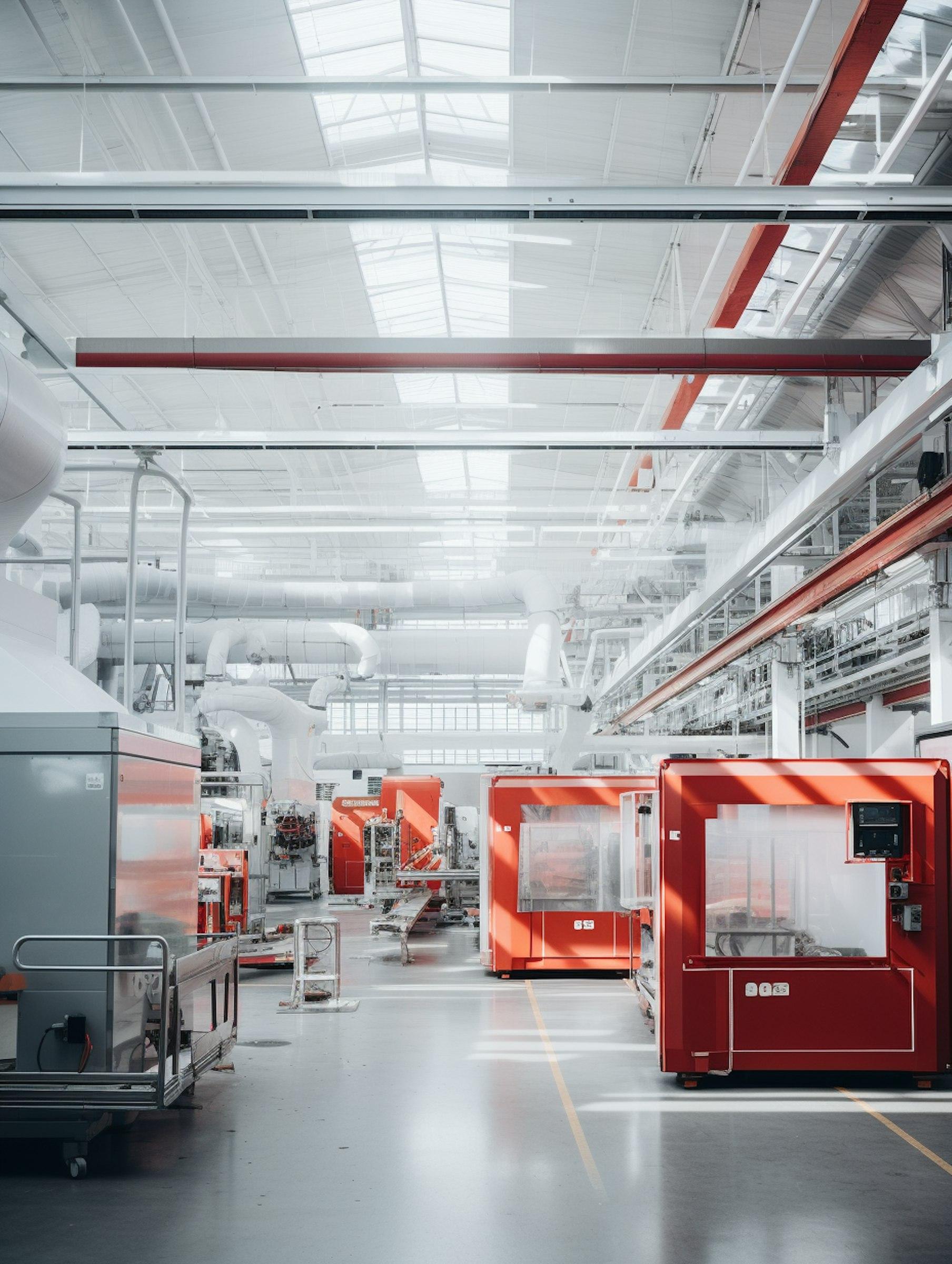
IoT gives manufacturers real-time visibility into equipment and processes, driving measurable efficiency gains. Smart sensors surface insights on machine performance, energy consumption, and production rates — allowing teams to identify and resolve inefficiencies before they compound.
Predictive maintenance is one of IoT's most impactful applications in this space. Sensors continuously track equipment health, flagging degradation patterns so manufacturers can intervene before a breakdown ever occurs.
Strengthening Supply Chain Visibility
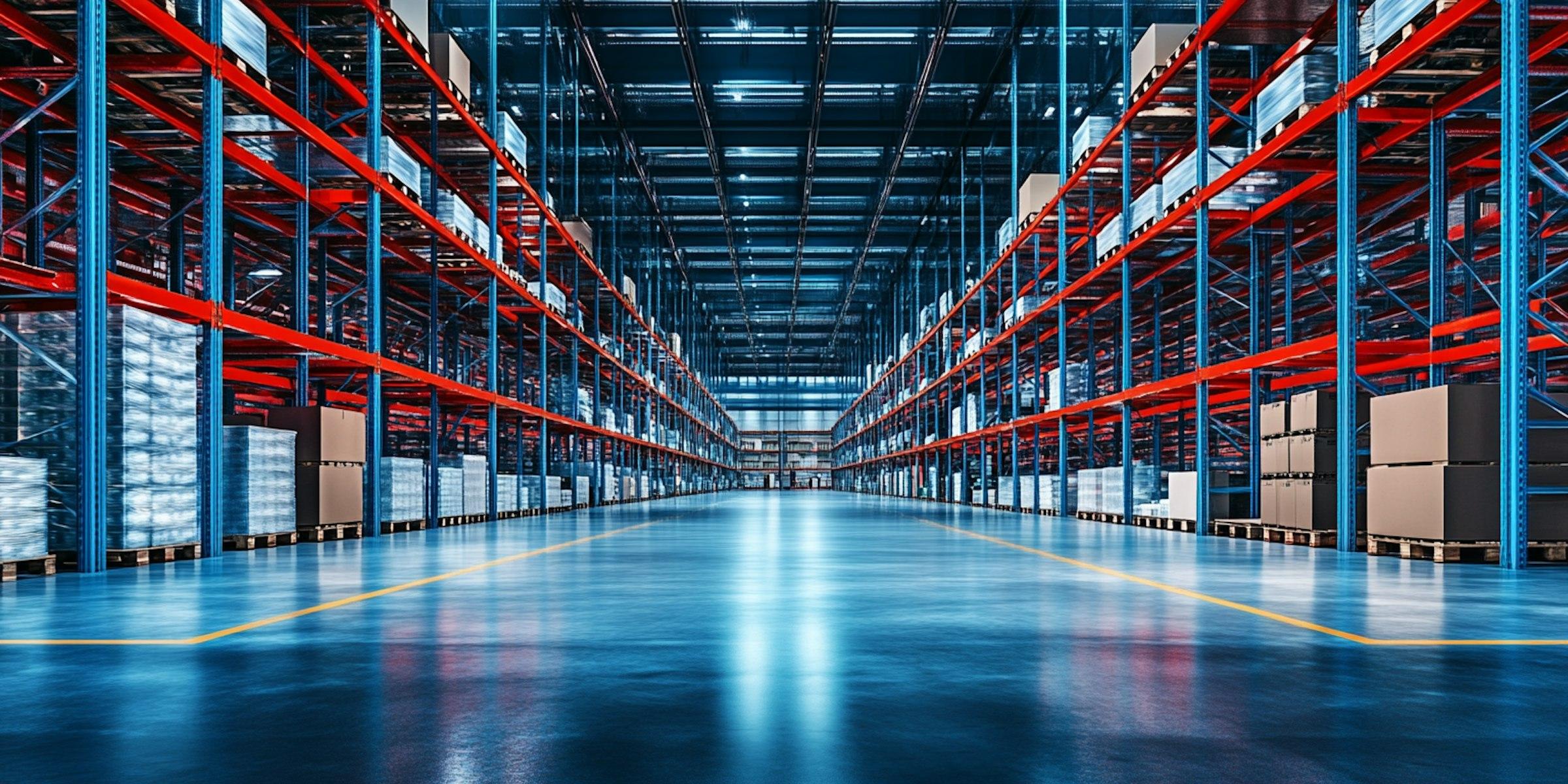
IoT extends clear visibility across the entire supply chain — tracking materials, inventory, and shipments in real time. Manufacturers can monitor the exact location and condition of goods at every stage, ensuring on-time delivery and eliminating avoidable disruptions.
IoT-driven just-in-time inventory management reduces warehousing costs and waste, while keeping the right materials available exactly when and where they are needed.
Predictive Maintenance
IoT sensors monitor equipment condition continuously, allowing teams to predict and prevent failures before they cause downtime.
Quality Control
Live monitoring of production processes catches deviations early, ensuring consistently high output quality.
Worker Safety
IoT wearables and environmental sensors track conditions in real time, protecting workers on the factory floor.
Data Analytics
Advanced analytics convert sensor data into actionable intelligence that drives smarter, faster decisions.
Challenges and How to Address Them
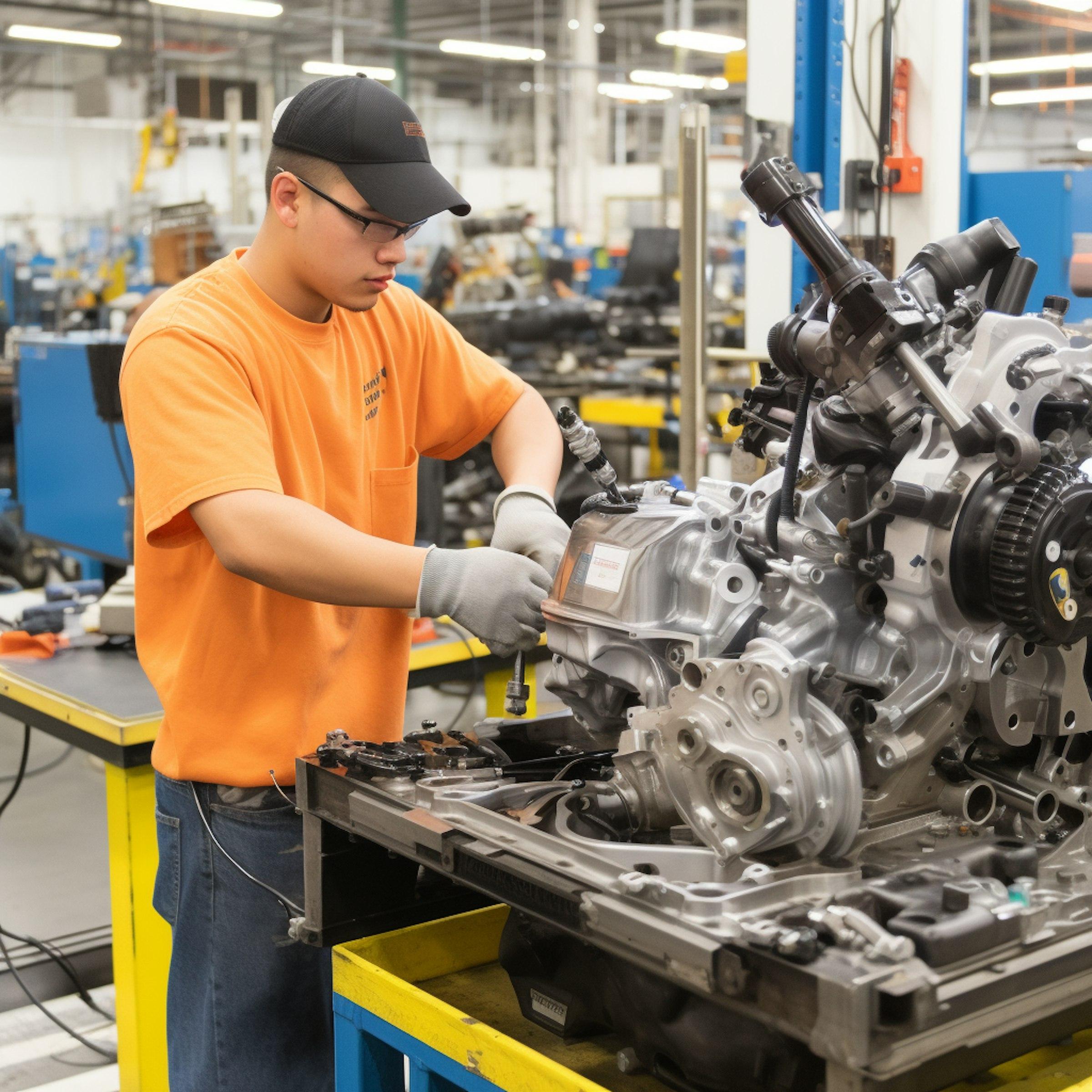
Despite its clear advantages, IoT adoption in manufacturing comes with real hurdles — high upfront costs, cybersecurity risks, and the complexity of connecting modern IoT systems to existing legacy infrastructure.
A phased approach works best: starting with focused pilot projects, investing in robust cybersecurity, modernizing infrastructure incrementally, and building workforce capability through targeted training.
What Lies Ahead for IoT in Manufacturing
- Edge Computing: Processing data at the machine level eliminates latency and reduces bandwidth demand for time-sensitive decisions.
- AI Integration: AI-driven analysis of IoT data enables deeper automation and sharper, faster decision-making across the plant floor.
- 5G Connectivity: Ultra-reliable, high-speed 5G networks will power denser and more responsive IoT ecosystems in factories.
- Sustainability: IoT-enabled monitoring of energy use, water consumption, and waste generation helps manufacturers hit environmental targets.
As IoT technology continues to advance, its impact on manufacturing will only deepen. Edge computing, AI-powered analytics, and 5G connectivity will drive further gains in efficiency, productivity, and sustainability — bringing the vision of truly intelligent, fully connected factories closer to reality with every passing year.